Ballistic Nylon 1000-1680D Backpacks – What Does That Mean in Real Life?
If you've been scouting for a durable travel backpack, you've probably stumbled upon materials labelled as “ballistic nylon 1000-1680D”. It sounds technical (and indeed, it is), but what exactly does it mean when you’re standing in front of shelves full of backpacks? More importantly, how does that translate when you're hauling your gear through a bustling airport or rugged trail?
In this post, we’ll unravel the jargon, refer to actual industry data as per the Applied Polymer Science journal, and cut through the marketing fluff to help you pick the best ballistics backpack for your travel needs. Companies like Revfine.com and Von Baer have been innovating in this space. We'll also touch on community feedback sourced from LinkedIn and X (formerly Twitter).
What Is Ballistic Nylon, and Why 1000-1680D?
“Ballistic nylon” originated in the 1940s as a material designed to stop flying debris in military body armour. Modern ballistic nylon is a very dense synthetic fabric primarily made from nylon filaments woven tightly together. The “D” stands for denier, a unit measuring the fibre thickness of the yarn. The higher the denier, the thicker and generally tougher the fabric.
Denier (D) Common Backpack Use Typical Durability (Rub Cycles)* Description 400-600D Entry-level backpacks 500-1,000 Lightweight but less abrasion resistant; prone to early wear on rough use. 1000-1680D Mid to high-end durable travel backpacks 2,000+ Very tough, abrasion resistant; excellent for demanding travel conditions. 2000D and above Heavy-duty luggage and tactical gear 3,000+ Extremely durable but very heavy.*Rub cycles represent the Martindale abrasion test – a key durability measurement that simulates fabric wear under repetitive rubbing.
So, when a backpack says “ballistic nylon 1000D” or “1680D”, it's telling you the material can withstand around 2,000+ rub cycles before showing significant wear. This usually means that airport trolley tile, the crunch of gravel, or repeatedly tossing your bag in overhead bins won’t reduce it to a brick anytime soon.
Choosing the Right Backpack Archetype for Your Travel Scenario
Think about it: not all backpacks are created equally, even if they share the same silky “ballistic nylon” tag. Let's break down typical travel archetypes and how material choices affect real-world use:
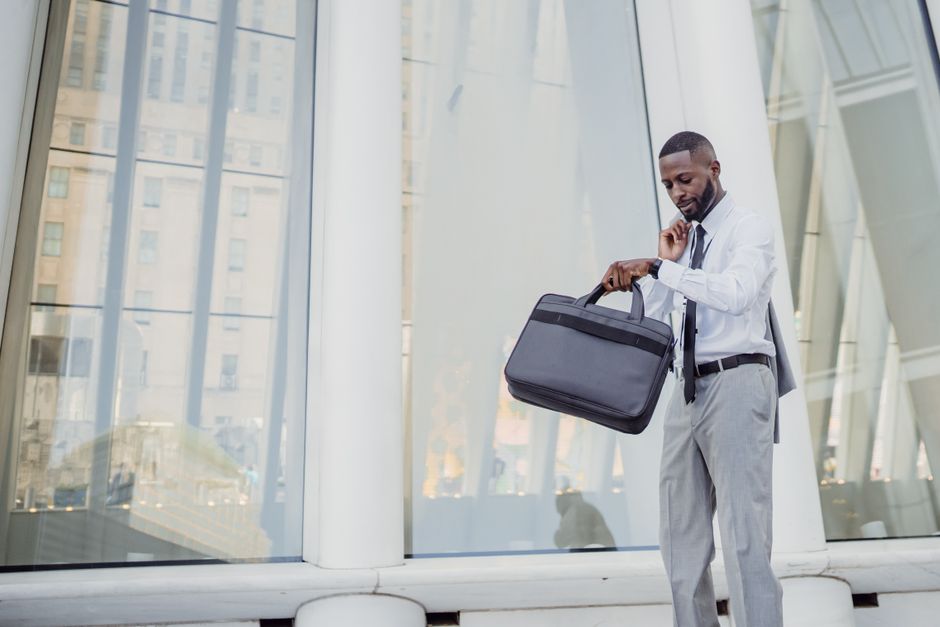
- Urban Commuter / Business Traveller: Needs sleek style and durability but prioritises lightweight comfort and laptop protection. Look for about 15-25L capacity with 1000D ballistic nylon for durability without bulk.
- Weekend Warrior / Short Hauler: Around 30-40L; needs abrasion resistance for short hikes or quick trips. 1000-1680D nylon with reinforced stitching suits well.
- Adventure / Outdoor Traveller: 50+ litres, often with hydration sleeves and extra padding. 1680D ballistic nylon or higher is preferred for maximum abrasion resistance and water repellency.
- Long-haul / Digital Nomad: These bags combine capacity (30-45L), organisation, and durability. Brands like Von Baer specialise here, often pairing ballistic nylon with weatherproof zippers.
The key is matching your typical packing volume and use cases—not just chasing the highest denier possible, as that can backfire in added weight and lowered comfort.
Materials and Durability Stats That Matter — Beyond the Denier Number
While denier gives a good baseline, it isn’t the only measure to trust. When I sift through backpack specs on Revfine.com or Von Baer, I check the following:
- Martindale Abrasion Resistance (rub cycles): As explained, a 1000D ballistic fabric often hits 2,000+ martindale cycles – an excellent benchmark for durability.
- Fabric Coating & Water Resistance: Ballistics come coated with polyurethane or silicone layers. The finish affects water repellency and dry times.
- Tensile Strength: Measures how much force the fabric can bear before snapping. Relevant when your backpack occasionally carries a heavy load.
- Thread Count and Weave Density: The tightness of weaving limits snagging and protects against tears running.
This technical data is not always verbalised in marketing. Often you need to peek into the material sheets or patent filings. User reviews on LinkedIn travel gear groups and X help https://dlf-ne.org/leather-weekender-vs-canvas-hybrid-which-looks-more-formal/ identify how these specs play out over time in various climates and conditions.
Pro Tip: Handle, Wheels, and Seam Quality Matter Just As Much
Talking wheel noise or wobble might sound trivial, but those physical cues on travel days matter. I’ve seen bags with 1680D ballistic nylon get wrecked by poor zipper tracks or weak handles. Equally, a durable travel backpack that’s a brick due to heavyweight nylon is a walking misery. Balance the material quality with ergonomics — you don’t want to spend every trip counting how far you drag a deadweight.
Weight vs Comfort vs Perceived Load: Finding the Sweet Spot
Here’s where many buyers get lost in numbers. A heavy https://highstylife.com/whats-the-best-bag-if-you-keep-getting-last-minute-gate-changes-and-need-to-move-fast/ fabric like 1680D can be bulletproof, but it’s a classic “trade-off” scenario:
- Weight: Heavier backpacks increase fatigue, especially over long durations or escalators with luggage slings.
- Comfort: Padding, strap ergonomics, ventilation, and frame support can mitigate weight discomfort.
- Perceived Load: Sometimes a lighter bag with poor weight distribution feels heavier than a sturdier, well-designed composite.
For context, a ballistic nylon backpack at 1000D will typically weigh between 1.2–1.5kg (empty) depending on capacity and hardware. Moving up to 1680D adds roughly 200-400g, but you gain abrasion resistance. Let me tell you about a situation I encountered made a mistake that cost them thousands.. The key takeaway? Choose the highest denier you can carry comfortably for your scenario – don’t let durability mean lugging a literal brick.
Capacity in Litres and Real Packing Outcomes: What to Expect
You’ll often see 20L, 30L, or 45L stamped on backpack labels, but what does that mean in real life packing terms?
Capacity (Litres) Typical Contents Packing Outcome 15-20L Daily laptop, small personal items, one set of clothes Compact, fits under most airline seats; limited for multi-day trips 25-35L 2-3 days of clothing, tech gear, toiletries Best for weekend trips; fits cabin compliant bags on most airlines 40-50L Up to 5 days of gear, shoes, more electronics or accessories Borderline cabin size; heavier but versatile for longer trips 50L+ Extended trips, multi-day hikes, bulky gear Typically checked baggage; less convenient for overhead binsThe capacity-to-weight ratio improves with fabric type, internal frame design, and packing style. For instance, Von Baer’s ballistic nylon 1680D models optimise packing compartments so you don't carry “air” in dead space.
Why Listening to Real Traveller Feedback Matters
Sometimes, the marketing gloss can be misleading. Terms like “premium feel” or “elevating your journey” fall flat for those investing in hard use gear. That’s why checking platforms like LinkedIn groups for travel professionals, or X hashtags on #BallisticNylonBackpack, reveals honest opinions — usability over fluff, grind test anecdotes, even warnings about rounded weight claims without source backing.
In my experience, bags from Revfine.com and Von Baer tend to maintain integrity above 2,000+ rub cycles and retain shape after months of regular business flights. They strike the balance between “brick-like” backpacks and flimsy packs that fall apart after a few trips.
Summary: The Real-Life Meaning of Ballistic Nylon 1000-1680D Backpacks
- Ballistic nylon 1000-1680D implies a tough, abrasion-resistant fabric tested to withstand 2,000+ rub cycles, suitable for serious travel wear and tear.
- Your travel scenario should dictate capacity and archetype: whether an urban commuter 20L or an adventure 50L+ pack.
- Weight, comfort, and rigging quality are critical — ballistic nylon alone doesn't make a great bag.
- Capacity numbers in litres give a useful, though rough, guide to packing outcomes; look for smart design as well.
- Trusted companies like Von Baer and Revfine.com provide well-engineered ballistic nylon bags, backed by genuine traveller feedback on LinkedIn and X.
- Ignore vague marketing and always check for specs you can verify, including material test ratings.
If durability, practicality, and realistic comfort top your checklist, choosing a ballistic nylon 1000-1680D backpack is a smart move — just remember to balance denier with ergonomics and packing needs.
Happy travels, and may your next bag survive all your terminal tile adventures with minimal noise and zero handle wobble.